Planting Spring Bulbs in Fall: A Quiet Autumn Gardening Ritual
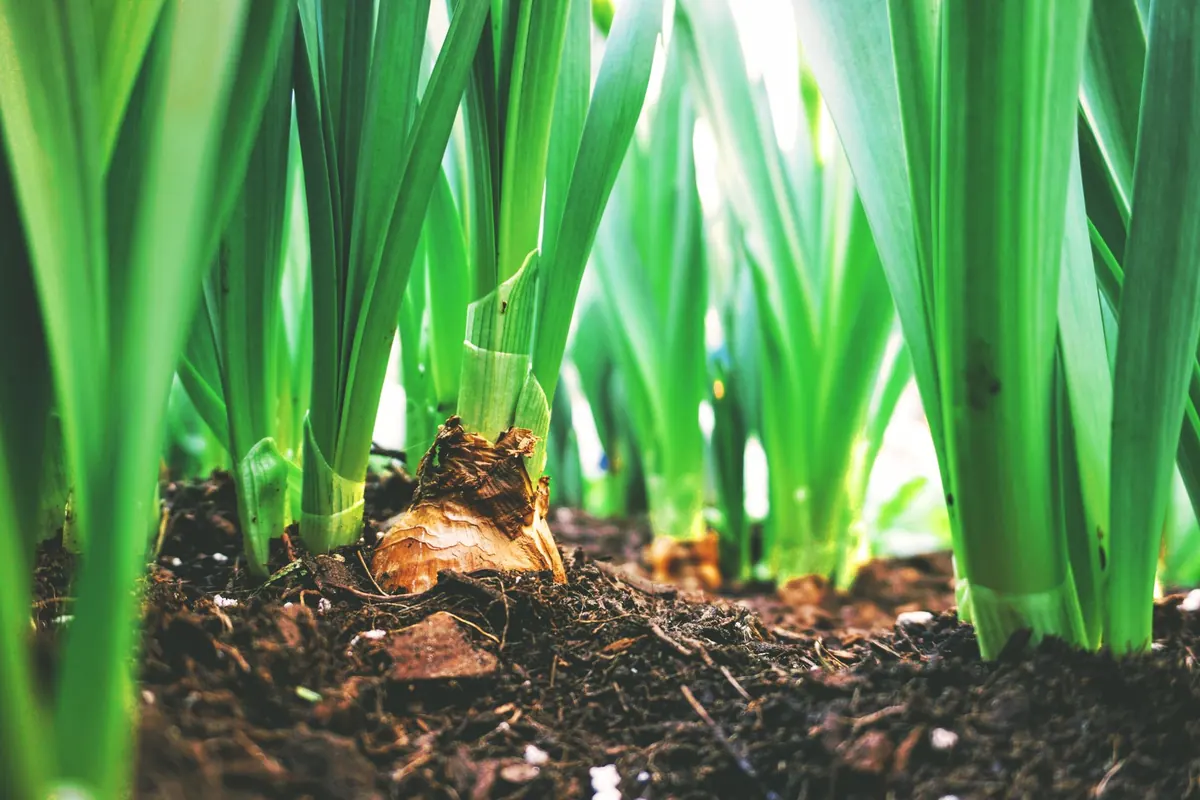
Autumn gardening is mostly subtraction. You cut back the perennials, rake the leaves, empty the pots, and coil the hose. Then, in the middle of all that tidying, you kneel down and push a handful of brown, onion-shaped things into cold dirt. That is the whole ritual. No flowers, no proof, no payoff for months — just a small, quiet bet on spring.
Planting spring bulbs in fall is the least demanding work in the garden and, per bloom, one of the most rewarding. Here is how to choose them, time them, and layer them so next year's flowers arrive without any effort from you at all.
Why Fall Planting Works
A bulb is a storage organ, not a seed. Inside that papery package sits a complete flower, stem and leaves, packed with enough energy to bloom on its own. What it lacks is a signal to start.
That signal is cold. Most spring bulbs — daffodils, tulips, crocus, hyacinths, alliums — need a stretch of winter chilling to break dormancy. Planted in autumn, they spend the remaining warm weeks pushing out roots, sit still through winter, and rise on their own schedule in early spring.
That is why fall planting feels like cheating. You do the work in October; the garden handles the rest while you are indoors.
One adjustment for warm climates: if your winters rarely dip below freezing, the ground may not provide enough chill. Keep tulip and hyacinth bulbs in a paper bag in the refrigerator for six to eight weeks before planting, and store them away from apples and other fruit, which release a gas that can damage the flower buds inside.
Choosing Bulbs Worth Planting
Buy in late summer or early fall, when stock is fresh. A good bulb is firm and heavy for its size, with tight, unbroken skin and no soft brown patches. Bigger bulbs of the same variety give bigger flowers, so you largely get what you pay for by weight.
A mix that spreads color across several months:
- Snowdrops and winter aconite — the earliest, often blooming while snow is still around.
- Crocus — cheap and best planted in drifts of twenty or more, not tidy rows.
- Daffodils — the most reliable return on your money. Deer and rodents usually leave them alone, and most varieties multiply year after year.
- Tulips — spectacular for one season and less dependable after that. Treat them as annuals, or choose species tulips, which come back better.
- Alliums — tall purple globes in late spring that hold their shape in the border and in a vase.
- Camassia and fritillaria — the late show, after the daffodils have finished.
If you have room for only one group, plant daffodils. If you have a lawn you can leave unmown for six weeks in spring, naturalize crocus in it.
Timing: Read the Soil, Not the Calendar
Bulbs can go in any time from early autumn until the ground stops cooperating. The useful marker is soil temperature: aim for roughly 55°F, which usually means nights in the forties and fifties and about six weeks before your first hard freeze. In most temperate climates that is October — earlier in cold regions, later in mild ones. Southern Hemisphere gardeners should shift all of this by about six months.
Two ways to get it wrong. Plant too early, while the soil is still warm, and bulbs may sprout shoots that winter kills. Plant into frozen or waterlogged ground and they never root properly. If you miss the window, plant anyway. Bulbs tucked in even in December, as long as the soil can be worked, often bloom late and small, which beats nothing.
The Layering Trick
You can plant one variety at a time, spaced like a row of soldiers, or you can plant three layers in a single hole and get three months of flowers from the same square foot. The second approach, sometimes called lasagna planting, is faster and looks more natural.
Start with drainage
Bulbs rot in wet soil, and that is the main way this fails. If your soil is heavy clay, dig in compost, plant on a slight mound, or grow bulbs in containers instead. Full sun is ideal; part shade is workable. Under a deciduous tree is fine, since bulbs bloom before the leaves come out.
Depths and spacing
The rule of thumb: plant at two to three times the bulb's own height, measured from the base. When in doubt, deeper is safer than shallower.
- Large bulbs (tulips, daffodils, hyacinths): 6 to 8 inches deep, 4 to 6 inches apart.
- Medium bulbs (alliums, camassia): 4 to 6 inches deep, 4 to 6 inches apart.
- Small bulbs (crocus, muscari, scilla): 3 to 4 inches deep, 2 to 3 inches apart.
A three-layer plan
- Dig one wide hole about eight inches deep. A trowel and a few minutes will do.
- Set the largest, latest-flowering bulbs at the bottom, pointed end up — alliums or late tulips work well.
- Cover with two inches of the soil you removed, then set mid-season bulbs such as daffodils or hyacinths on that layer.
- Cover again, then place the smallest and earliest — crocus, muscari — near the top.
- Backfill, firm gently with your hand, and water once.
That single watering settles the soil and starts root growth. After it, rain is usually enough. Skip fertilizer at planting; the bulb already carries its food, and a handful of compost in the hole is plenty.
Squirrels, Rot, and Other Small Hazards
Squirrels dig up tulip bulbs with an enthusiasm that feels personal. Plant deeper than usual, lay chicken wire just under the surface of the mulch, or use bulb cages. Daffodils and alliums contain compounds rodents avoid, which is another reason to lead with them.
Deer browse tulip flowers but usually pass over daffodils and alliums. Voles and mice tunnel into bulbs under thick mulch, so keep it to a modest two inches and pull it back slightly in late winter.
One habit matters more than any of these. After the flowers fade in spring, leave the foliage until it yellows and flops — about six